Vision Revision Hub
Get the Facts. Act Now.
Your child may not know their world is blurred
An estimated 1.6 million school-aged children in England may be living with an undiagnosed vision problem.¹
Your child could be struggling to see the board in class or recognise a friend across the playground – and just simply assume that this is normal.
Many parents assume their child’s school will spot a problem with their sight, but school vision screening is not a full eye test.² It is usually offered to children aged four or five years old, and provision varies by area.³ Short-sightedness, also known as myopia, often develops later, between the ages of six and thirteen,⁴ so regular eye tests matter even if no problem was found at school.
Blurred vision can affect how your child learns, plays and takes part in everyday life.⁵ And the more short-sighted they become, the greater their risk of serious eye conditions later in life, including macular degeneration and retinal detachment.⁴
That is why catching it early matters. Specially designed spectacle lenses now exist that not only help your child see clearly but are reported to control the progression of myopia (short-sightedness) in children across a wide age range as young as four years of age.⁶,⁷,⁸ Finding it early now means you can explore these options sooner.
Vision Revision helps you spot the signs, understand your child’s options and feel confident about what to do next.
Childhood Vision:
The Key Facts
Around 15%
Estimated proportion of UK children and teenagers who are short-sighted⁹ – more than double the rate 50 years ago.⁴

Often ages 6-13
When short-sightedness typically starts⁴ – yet school vision screening checks typically take place when a child is aged four.³
100%
All children under 16 are entitled to a free NHS eye test at any high street optician and, if they need glasses, an NHS optical voucher towards the cost.³
9 out of 10
In a clinical trial, 9 out of 10 children showed no clinically relevant short-sightedness progression* in the first 12 months of wearing MiYOSMART iQ,⁶,⁷ a new type of glasses lens that’s now available in the UK.
Four common misconceptions about short-sightedness in children
Could your child be short-sighted?
Short-sightedness (also called myopia) is an eye condition where you can see close objects clearly, but distant objects appear blurry.¹⁰ Your child may not mention it, but you might notice the small adjustments they make instead. These signs can have other causes, and some children show none. You do not need to wait for a sign before arranging a regular eye test. If you are concerned, contact an optician.
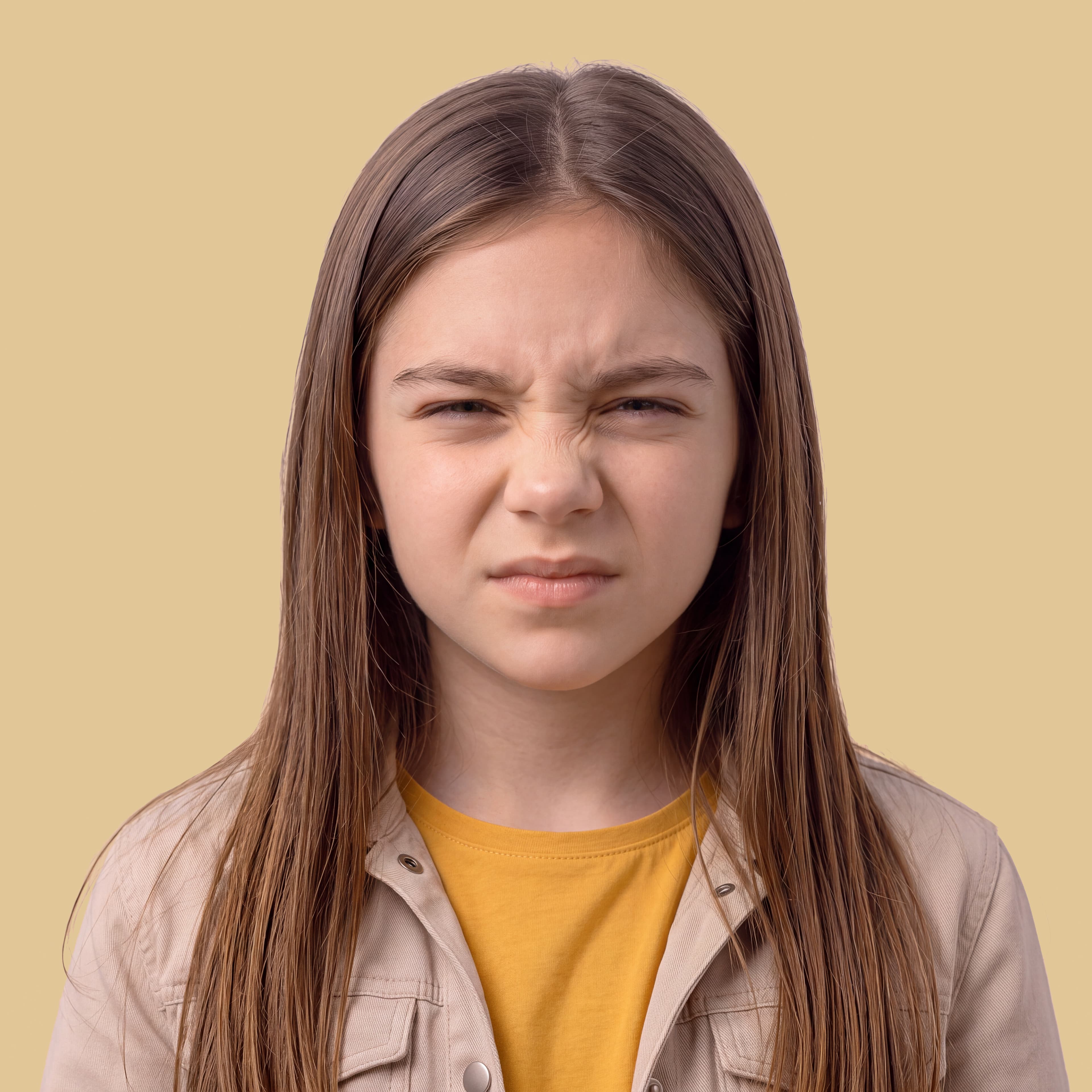
Squinting
Your child may squint when looking at distant objects to try and see more clearly.¹¹
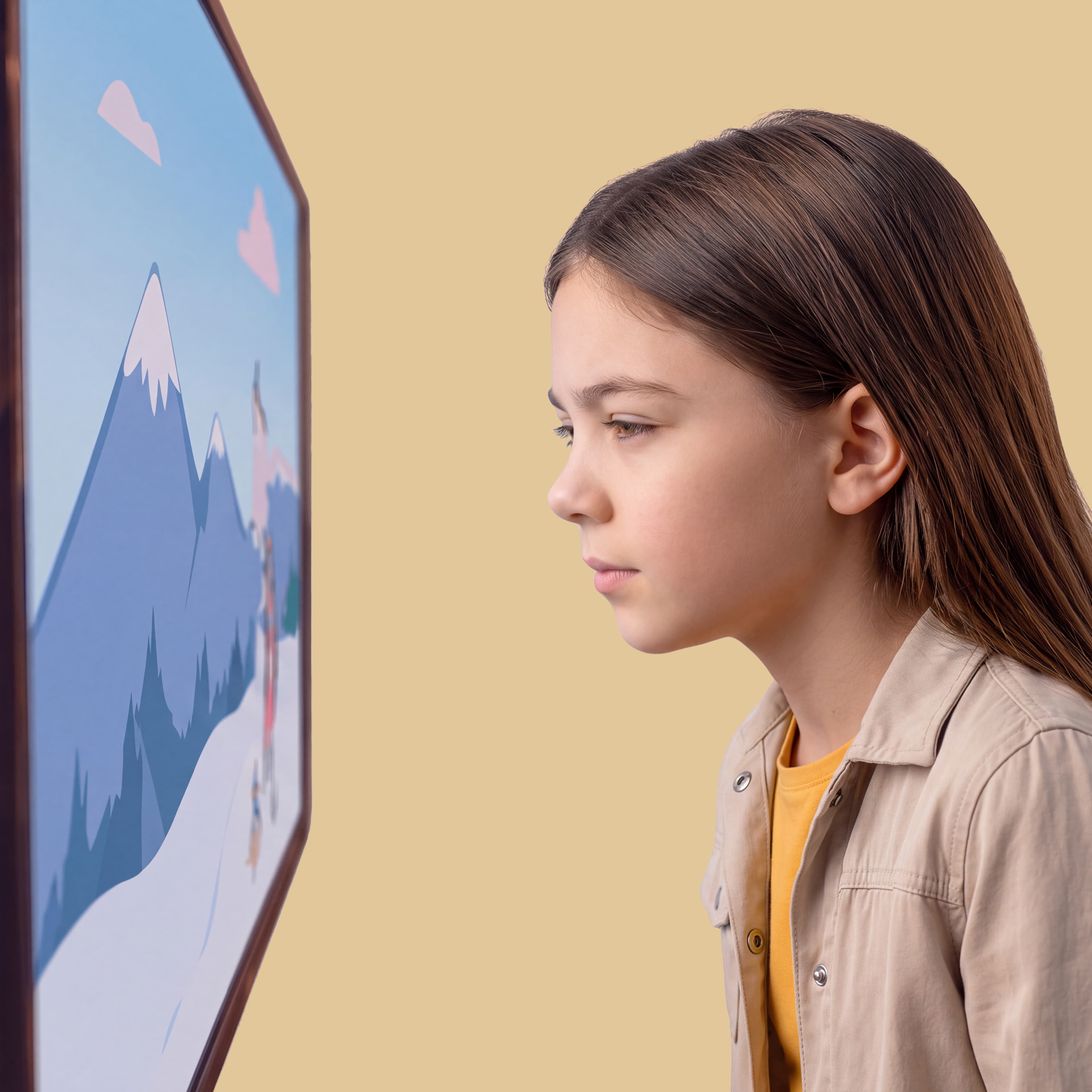
Sitting very close to the TV
If your child is sitting very close to the television, it may be a sign that objects at a distance appear blurry.¹¹
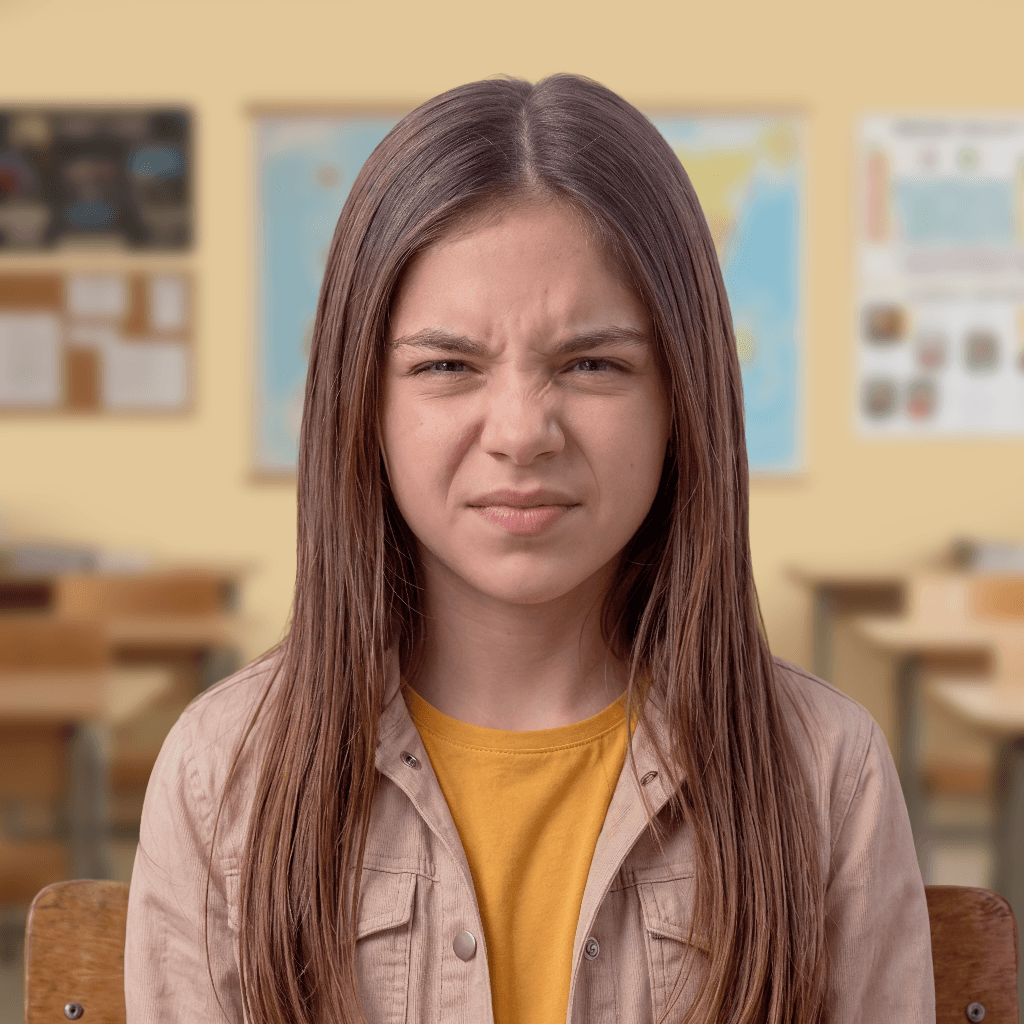
Difficulty seeing the board
Your child may struggle to see writing on the classroom board clearly.¹¹
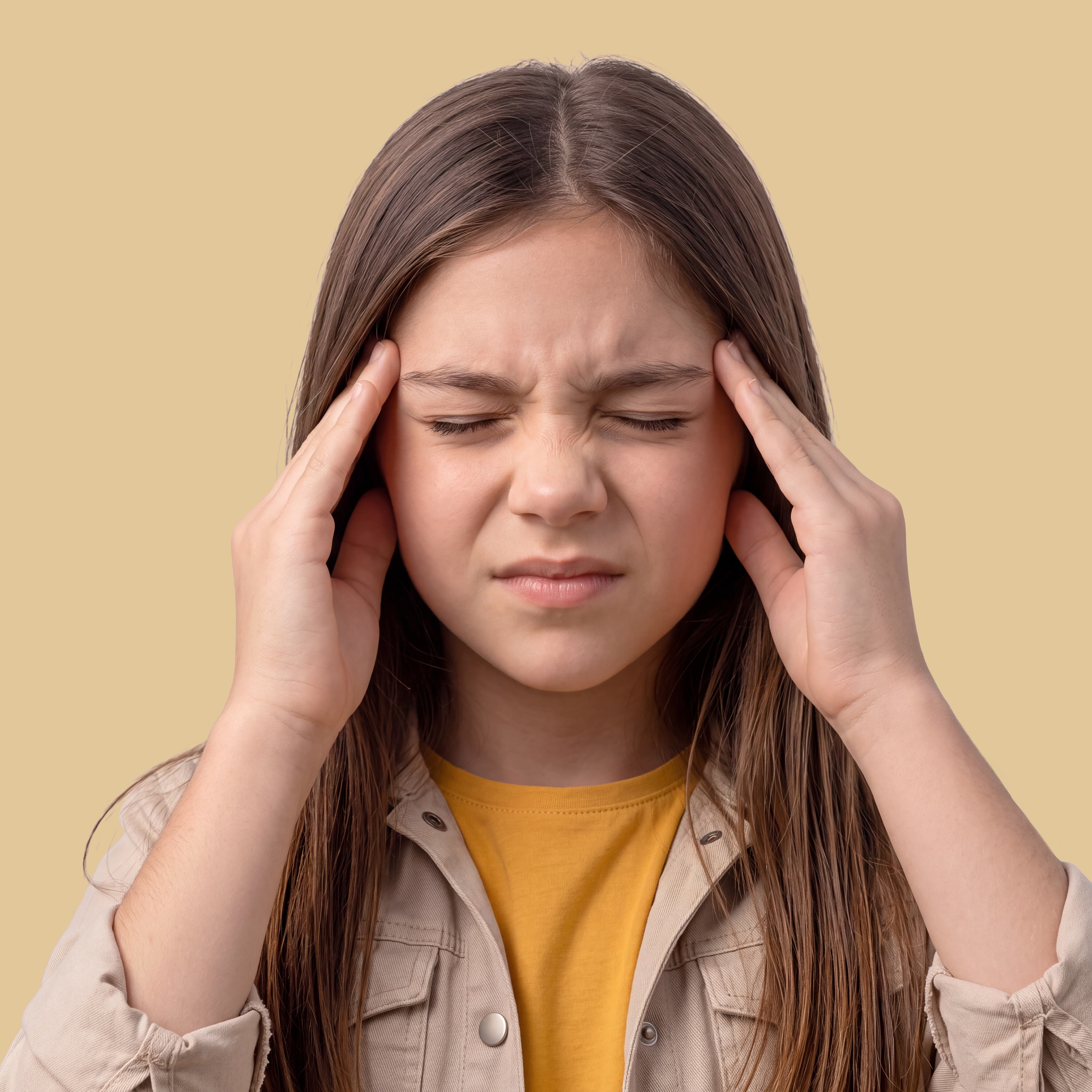
Headaches
Recurring headaches, especially after visually demanding activities, may be a sign of vision difficulties.¹¹
Squinting
Your child may squint when looking at distant objects to try and see more clearly.¹¹
Sitting very close to the TV
If your child is sitting very close to the television, it may be a sign that objects at a distance appear blurry.¹¹
Difficulty seeing the board
Your child may struggle to see writing on the classroom board clearly.¹¹
Headaches
Recurring headaches, especially after visually demanding activities, may be a sign of vision difficulties.¹¹
See the world through your child's eyes
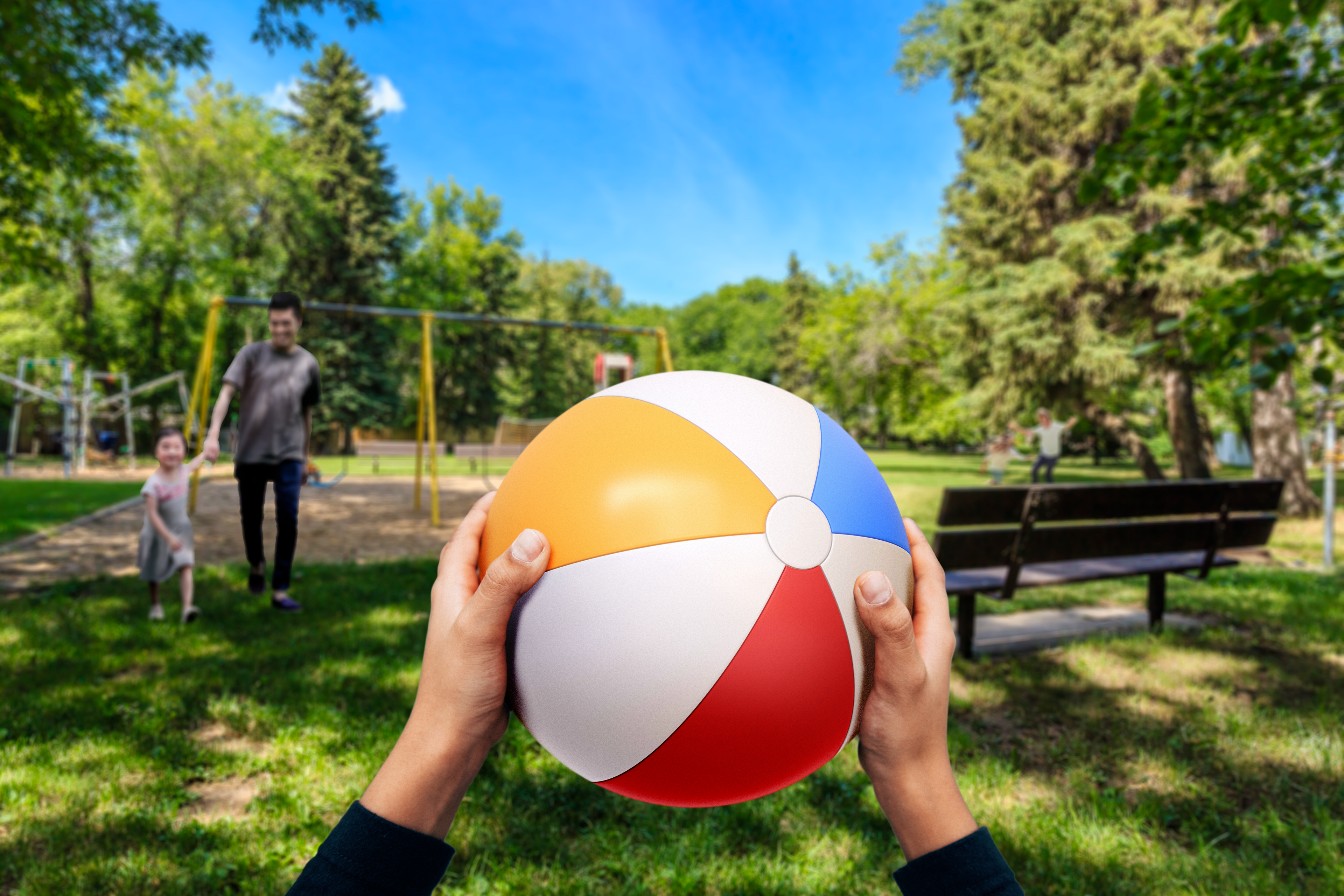
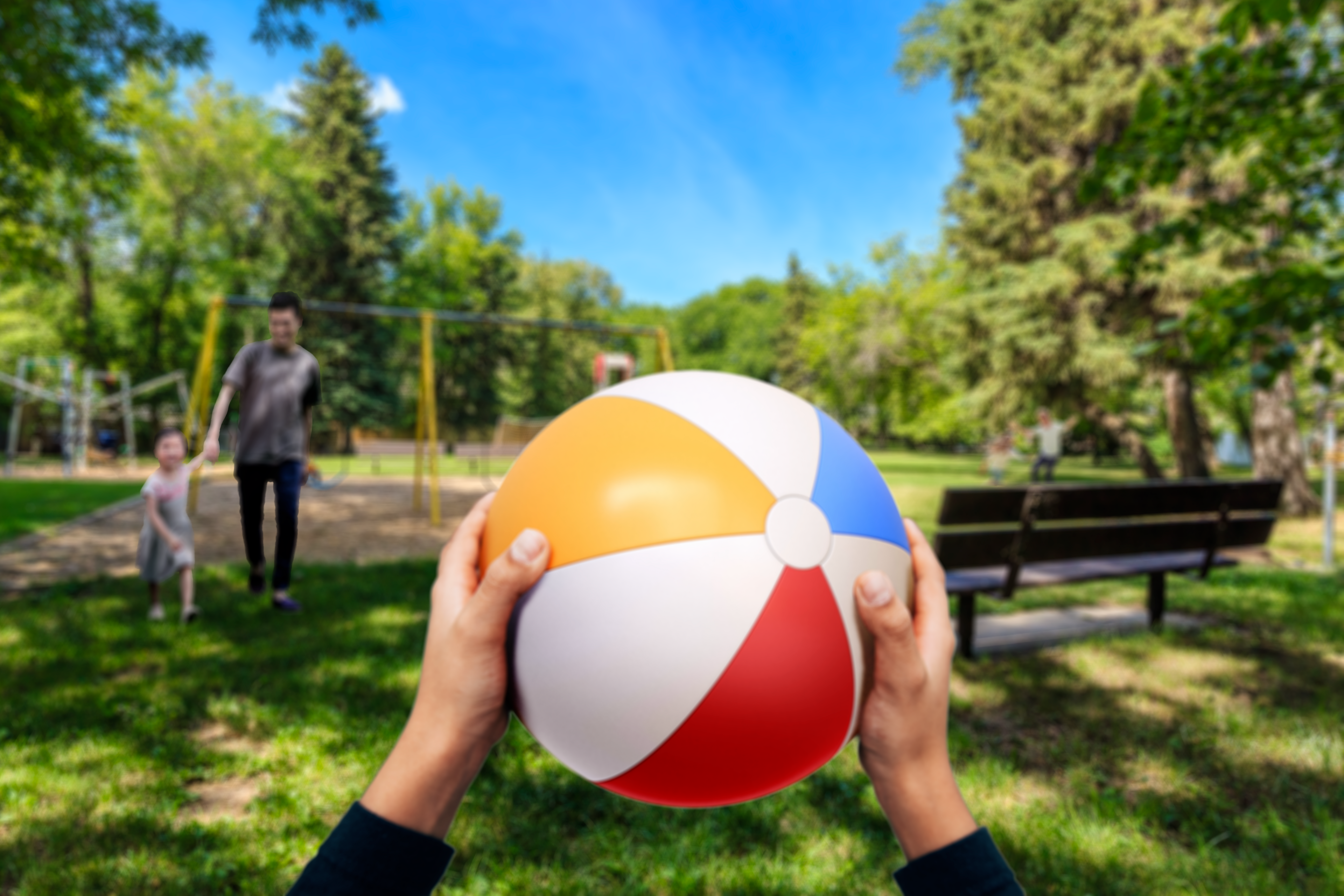
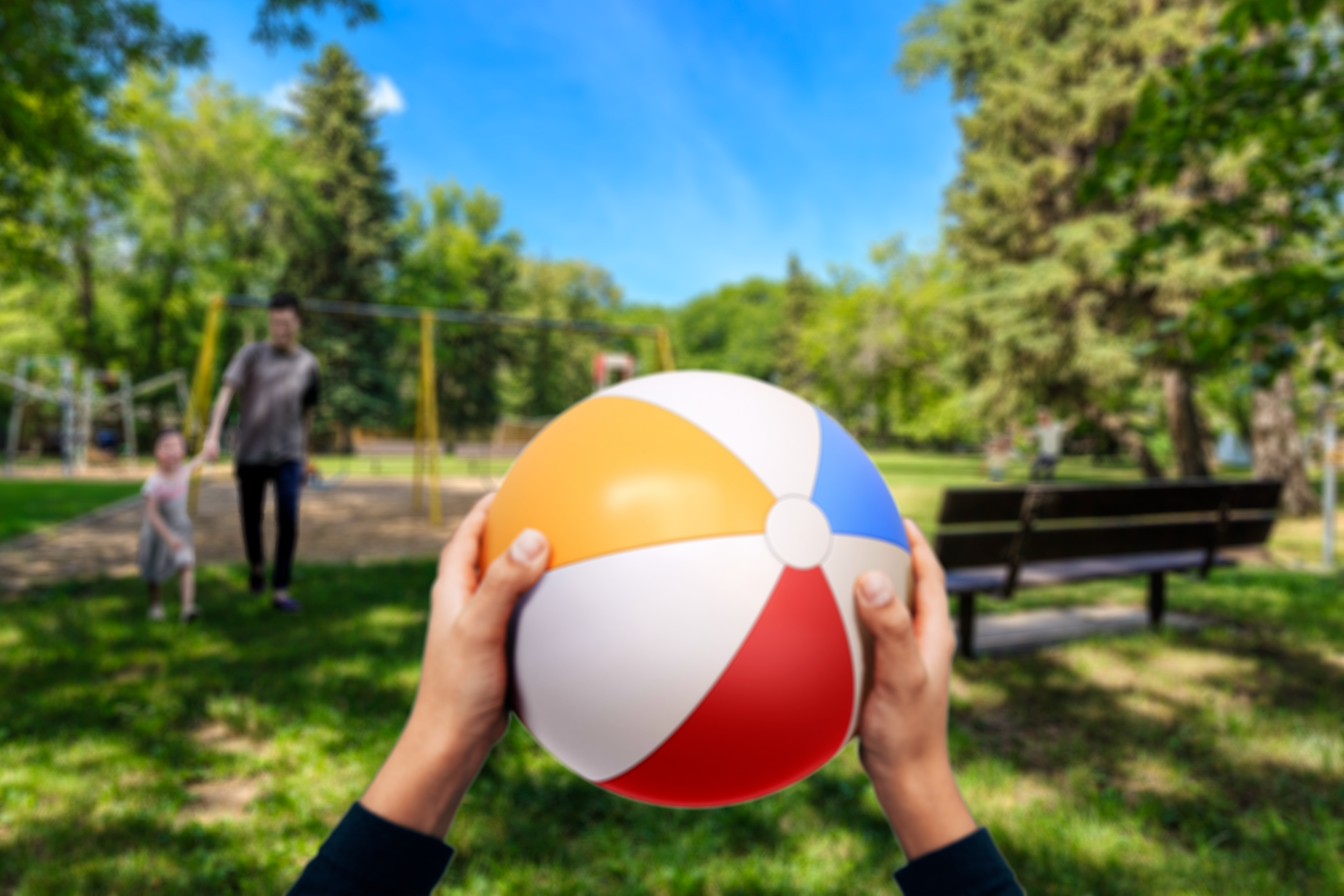
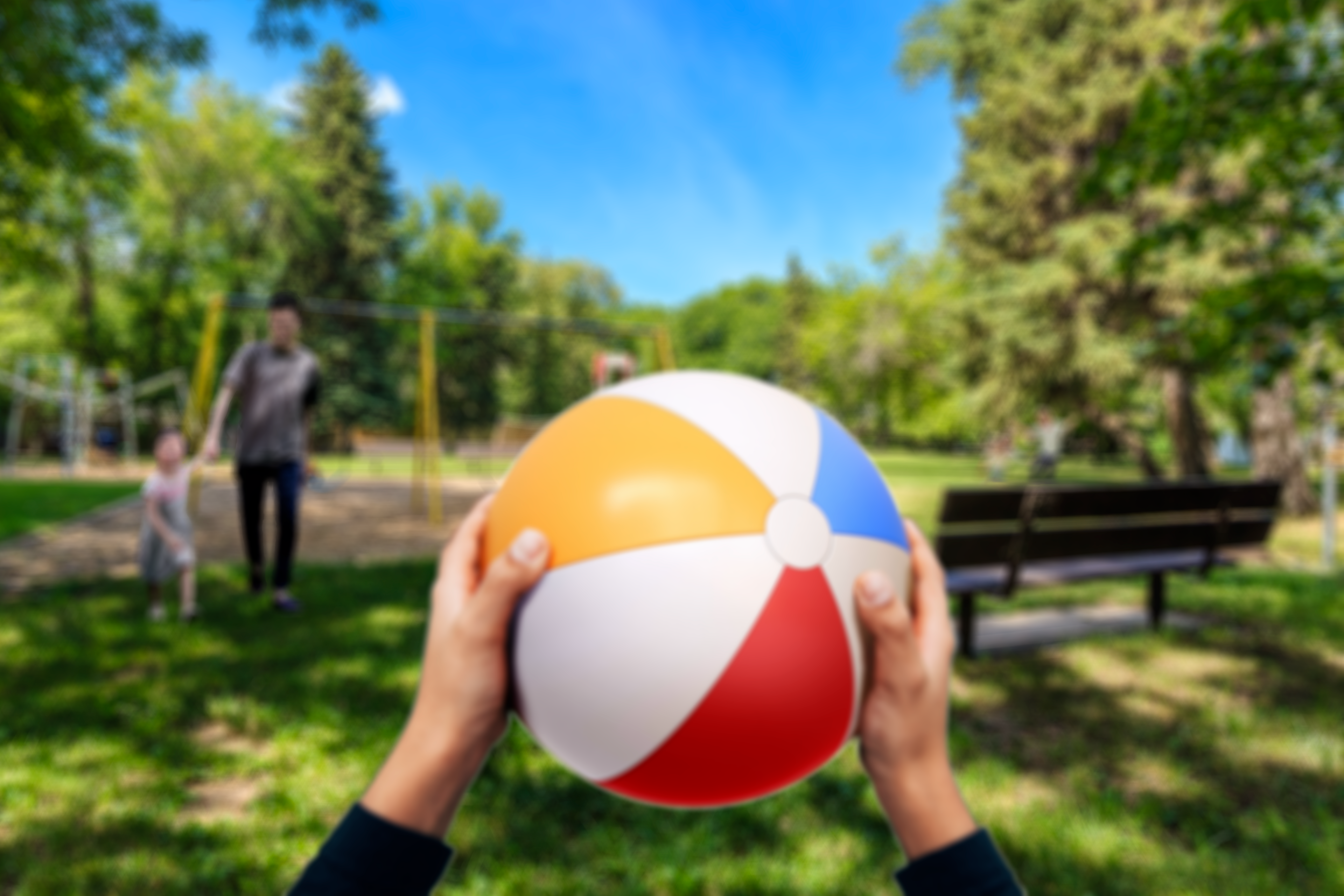
You may know what short-sightedness looks like. Your child may not know how to tell you. Explore familiar scenes together and use them to talk about what your child sees in everyday life. A conversation could bring out something they have never thought to mention.
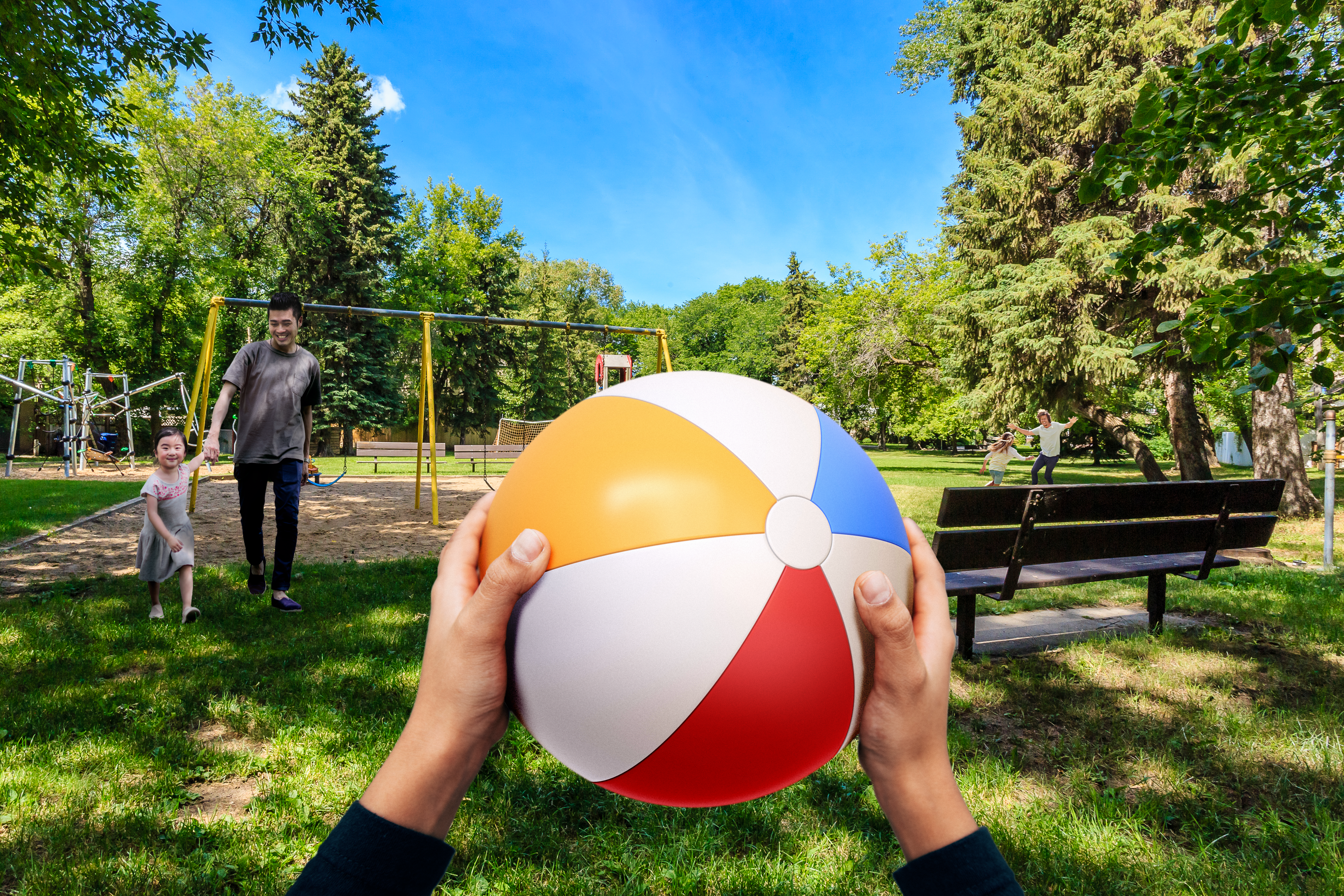
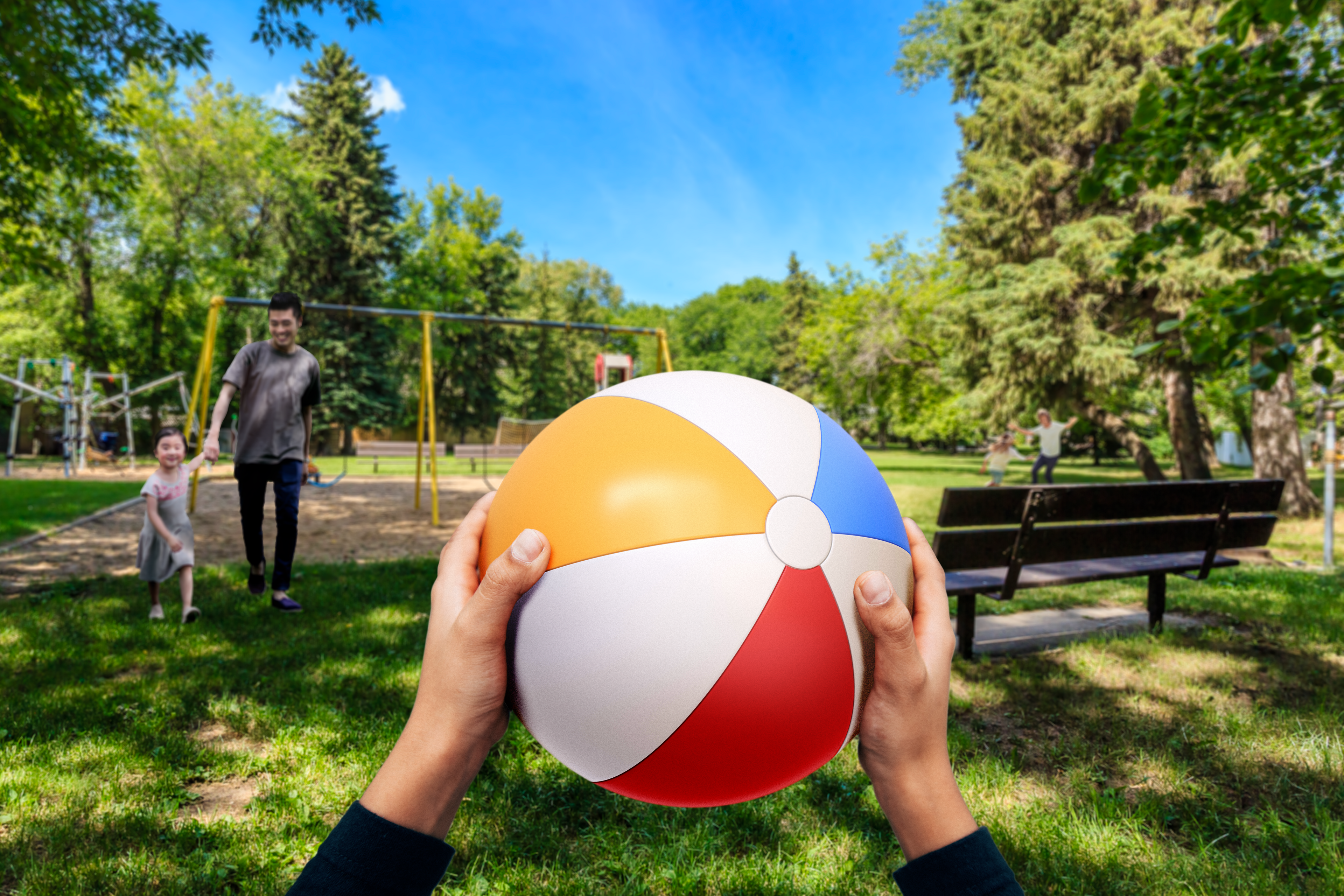
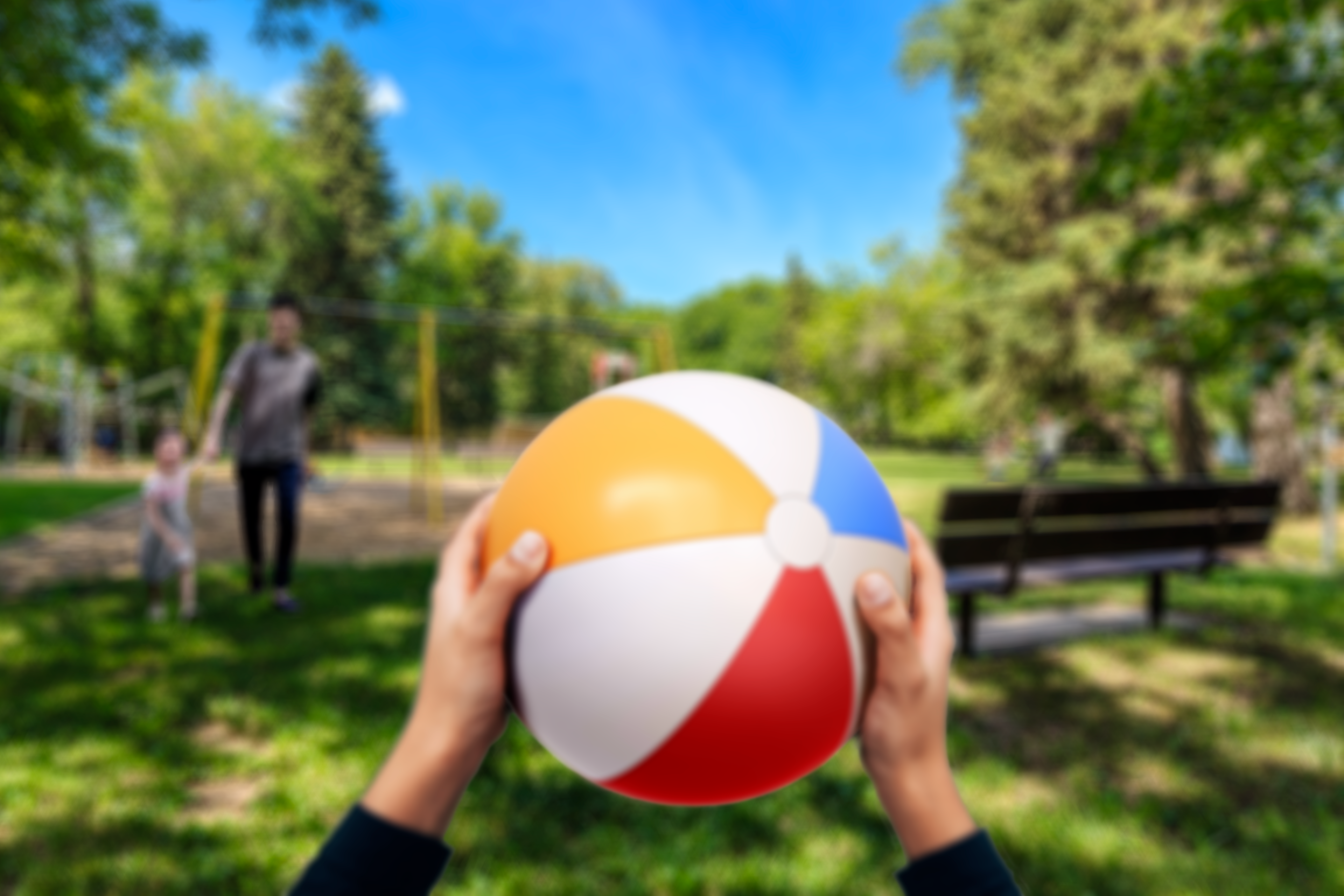
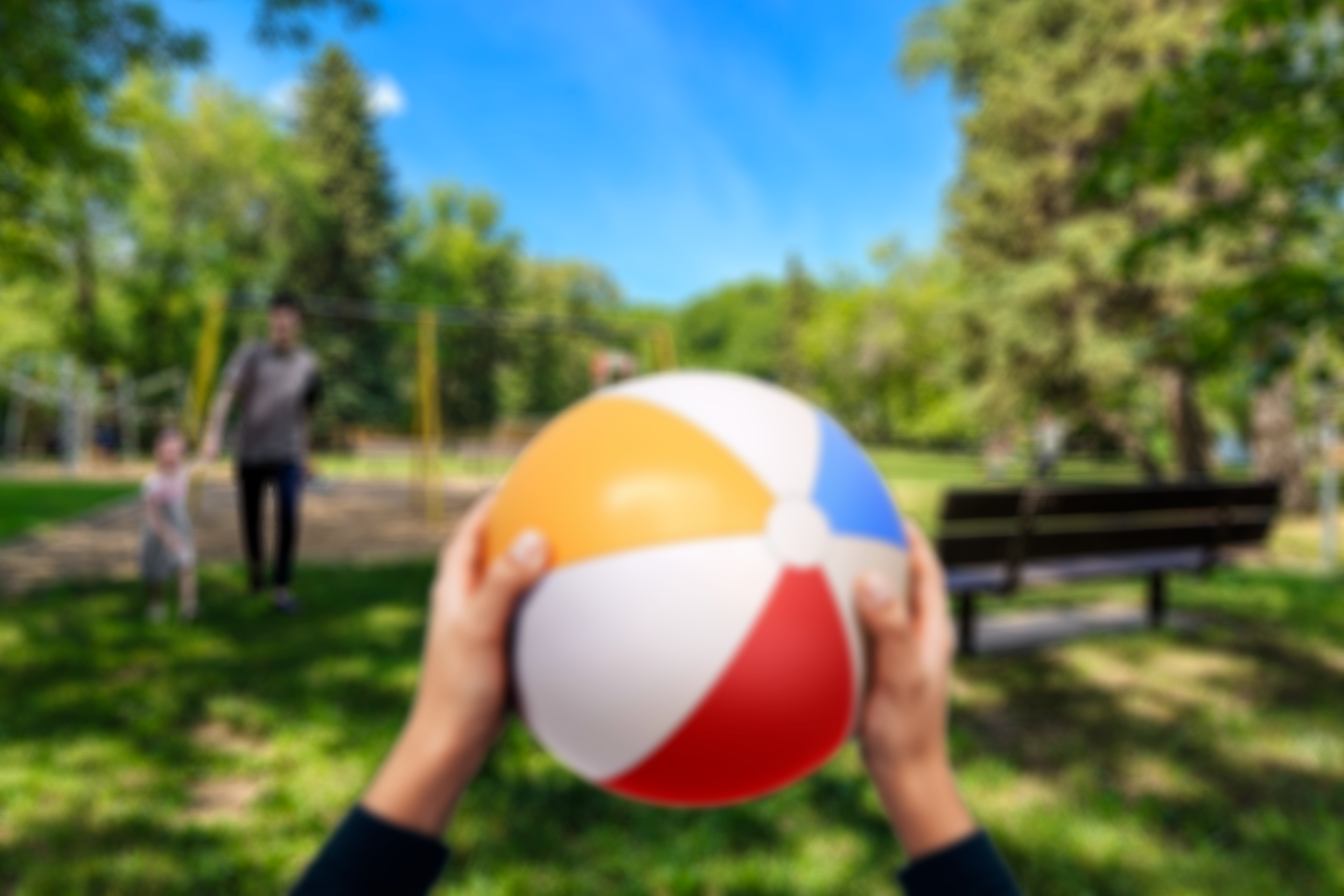


The Vision Revision Conversation
Look together, use these simple questions and give your child time to answer in their own words. If they describe difficulty seeing, make a note and tell the optician. A reassuring answer does not replace an eye test.
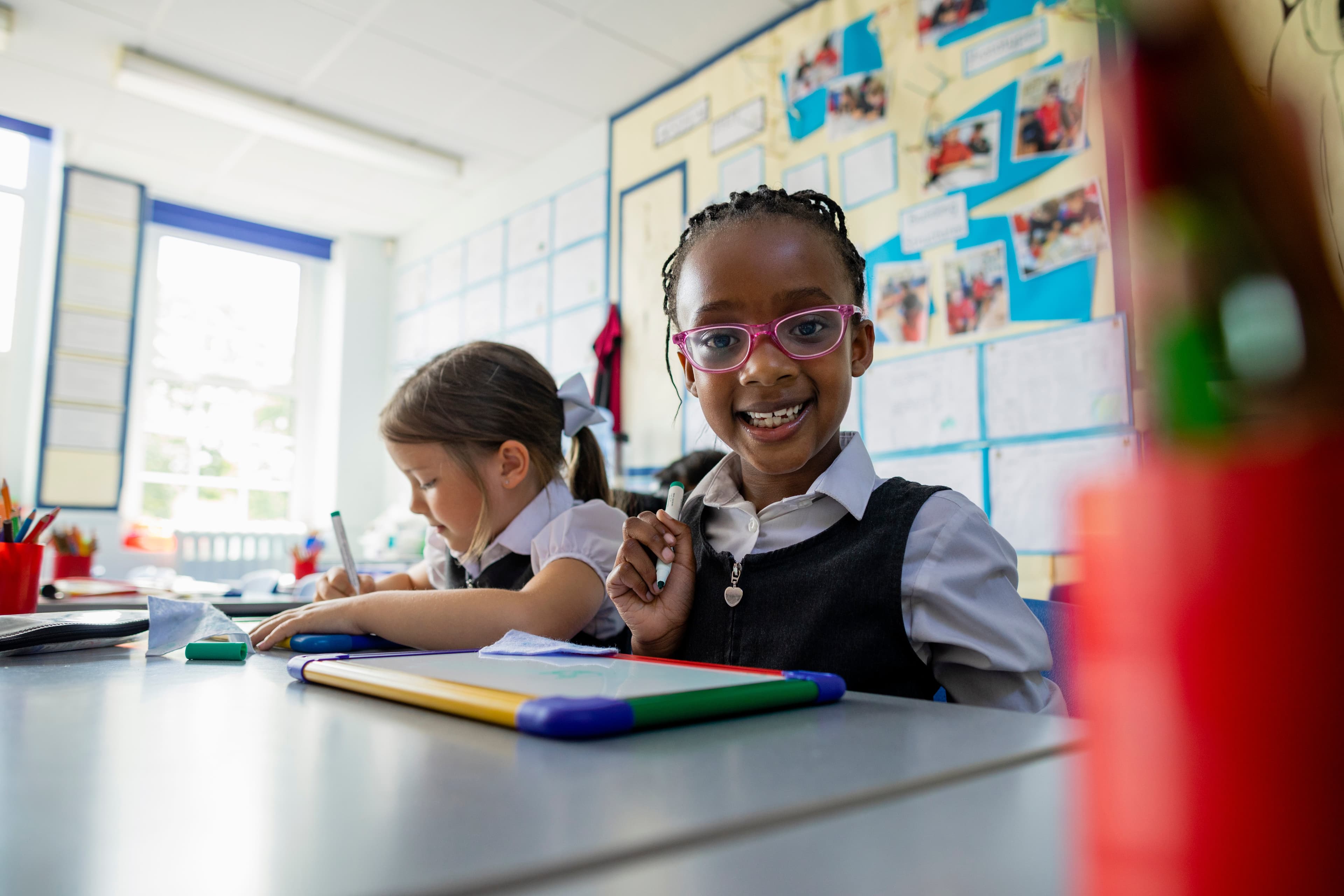
Classroom
“Does the board ever look like this from where you sit?”
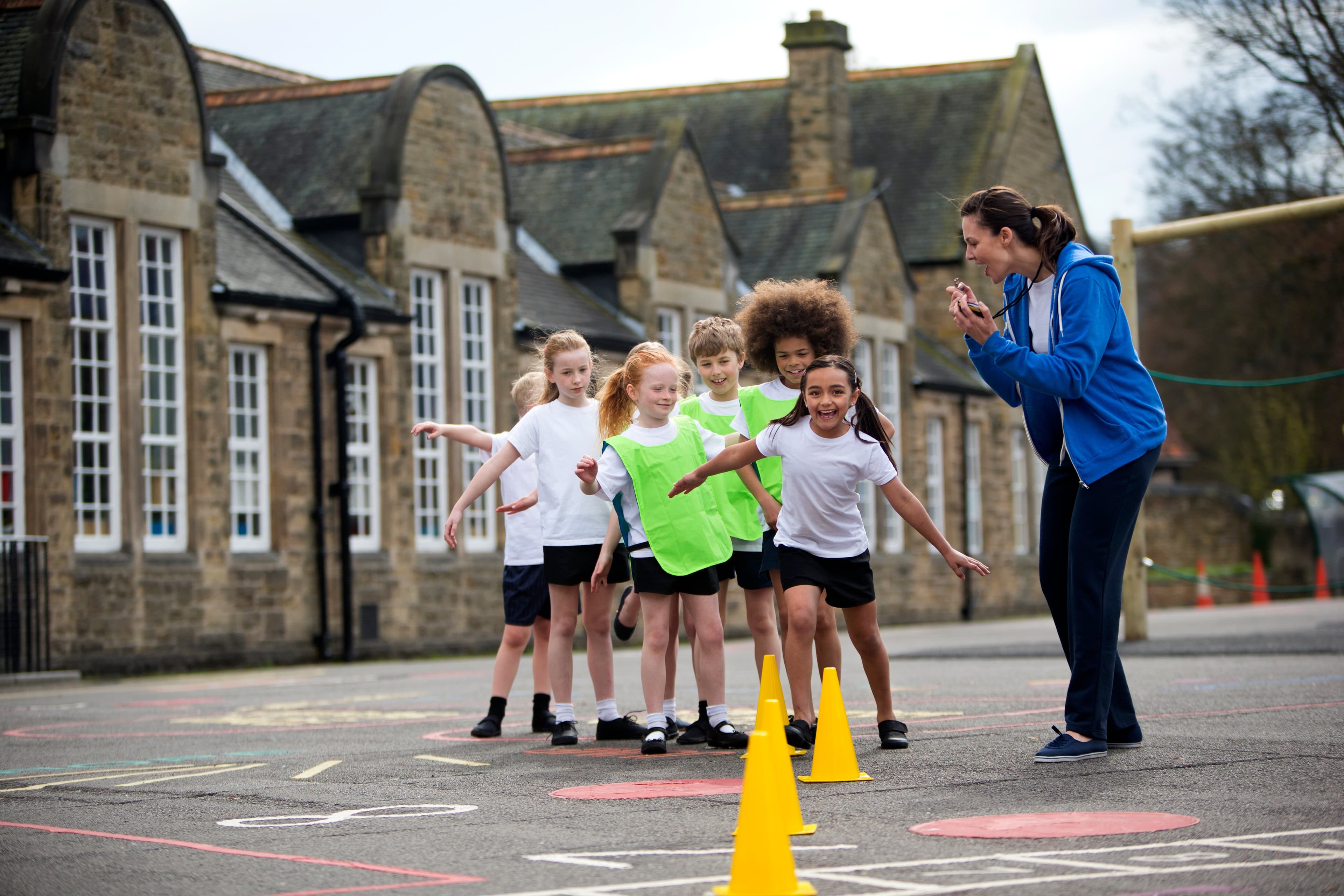
Playground
“Is it ever hard to recognise friends or teachers when they are far away?”
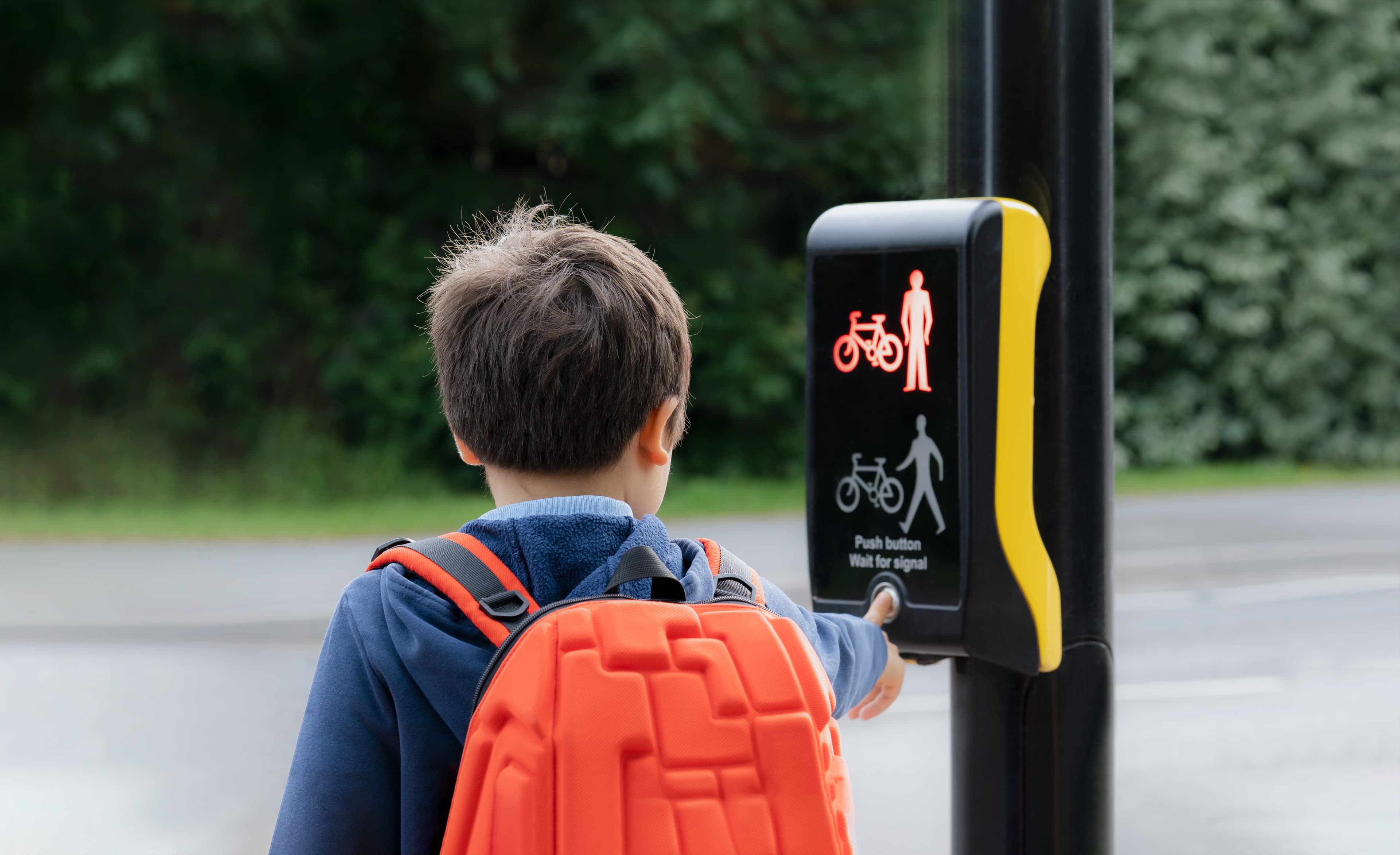
Road safety
“Do signs, cars or people ever look blurry until they are closer?”
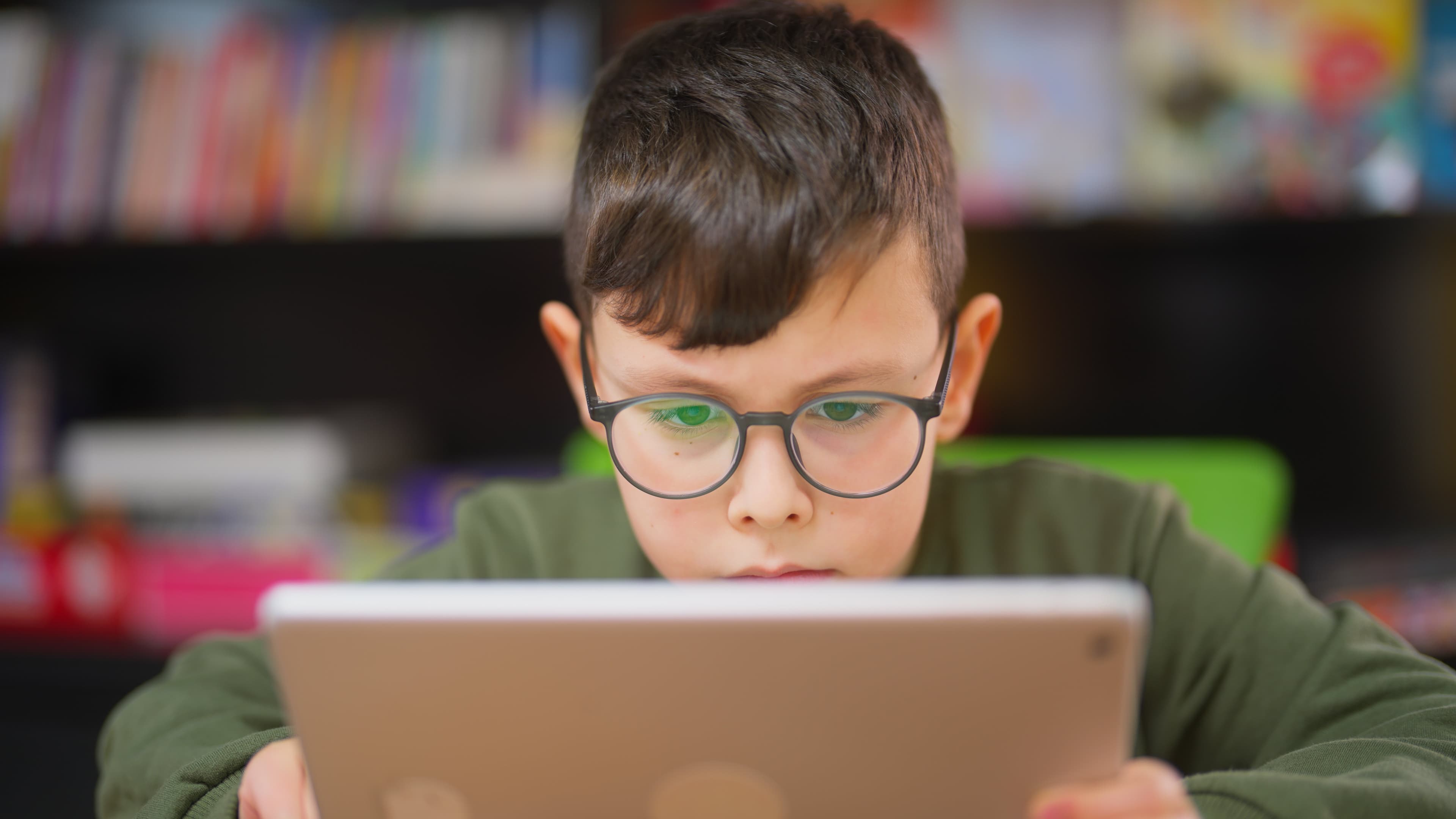
TV or screen
“Do you ever move closer so you can see better?”
Classroom
“Does the board ever look like this from where you sit?”
Playground
“Is it ever hard to recognise friends or teachers when they are far away?”
Road safety
“Do signs, cars or people ever look blurry until they are closer?”
TV or screen
“Do you ever move closer so you can see better?”
School screening is not the full picture
A clear result at four or five cannot tell you how your child sees at eight or ten. School vision screening is valuable, but it has a different job from a full eye test.
Short-sightedness commonly starts between six and thirteen⁴, often after the school screening years. If your child has never had a full eye test, contact an optician to arrange one. If they already have regular checks, follow their optician’s advice and get in touch sooner if you notice a change.
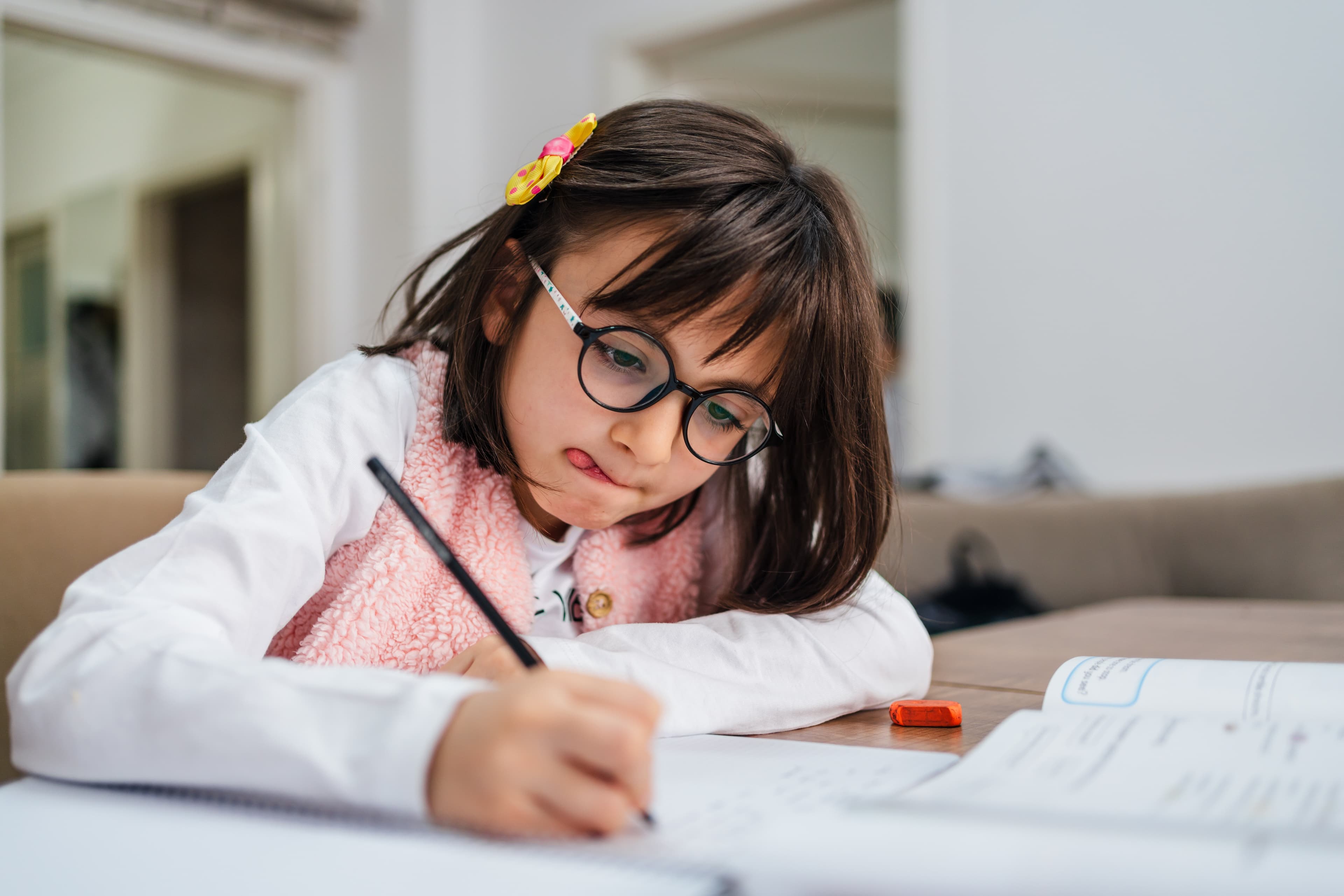
Purpose
Looks for reduced vision in one or both eyes, typically including problems such as lazy eye that may need early treatment.
Timing
Commonly around age 4-5. Arrangements vary depending on where you live. Vision screenings do not happen in every school.
What it tells you
Whether further assessment is needed after that screening check. It does not cover every eye problem or predict future changes.
Your next steps
Follow any referral advice. Continue regular eye tests even if no problem was found.
A full optician eye test gives you the complete picture
A full eye test goes far beyond basic screening to check your child’s total eye health, sight development, and precise prescription needs. Because vision changes rapidly as children grow, regular visits to an optician ensure no subtle issues are missed.
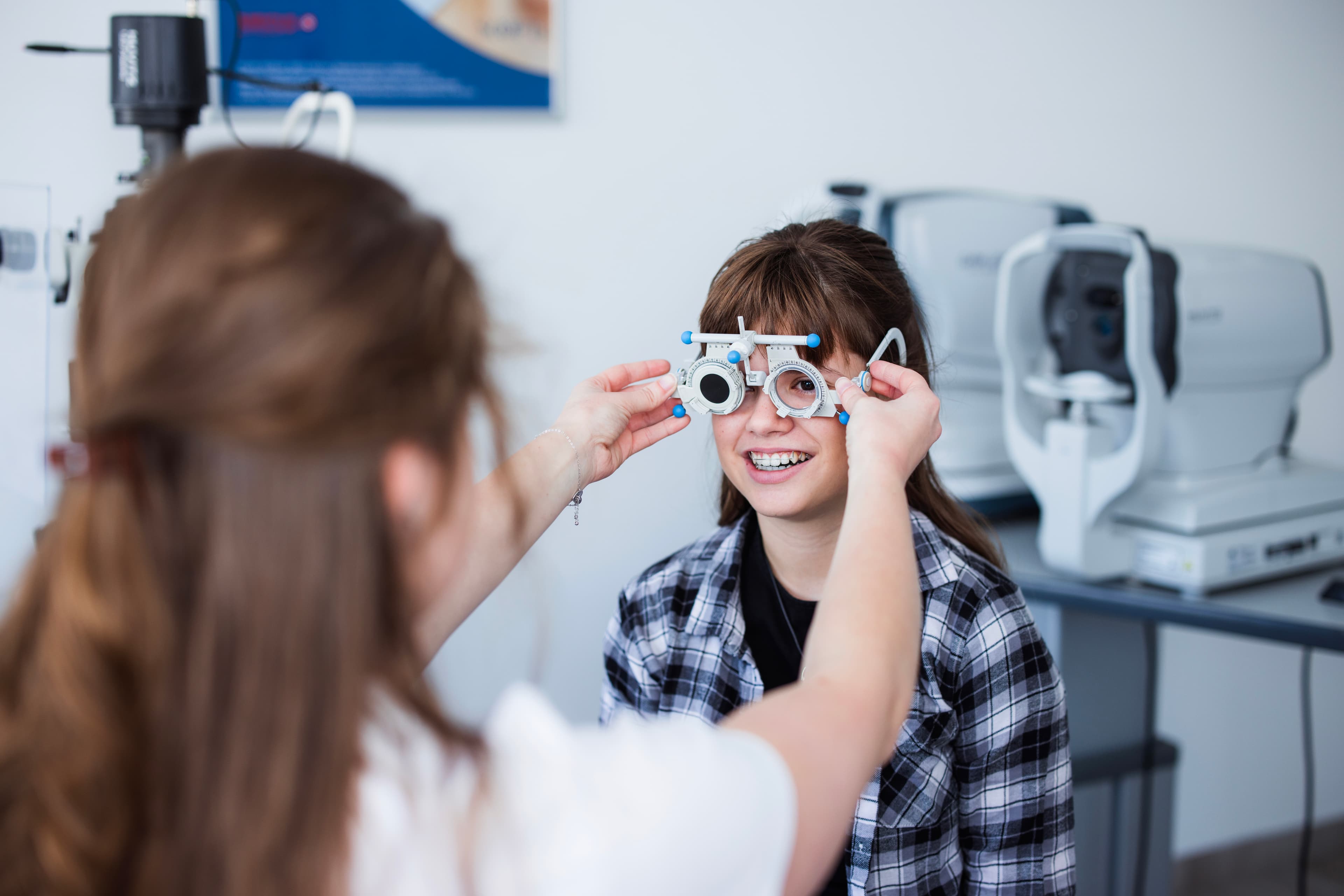
Purpose
Assesses sight and eye health, including problems such as short-sightedness, whether glasses are needed and the appropriate prescription.
Timing
Can be arranged as your child grows, or when there is a concern. Your optician advises when to return.
What it tells you
Gives a fuller assessment at that visit, with advice on correction, management or referral where needed.
Your next steps
Contact an optician offering NHS sight tests to arrange a free test for a child under 16.
Modern Spectacle Technology:
Revising Your Child’s Options
Advances in spectacle technology mean glasses can now do more than just correct blurred vision. Specially designed spectacle lenses can also slow the eye growth that causes short-sightedness to worsen. Known as myopia-management lenses, they offer a way to help limit how short-sighted a child becomes as they grow.
In a clinical trial, 9 out of 10 children wearing MiYOSMART iQ, HOYA’s most advanced lens yet, showed no clinically relevant progression* of short-sightedness in the first 12 months of wear.⁶,⁷
The more short-sighted a child becomes, the greater their risk of serious eye conditions later in life, including macular degeneration, glaucoma and retinal detachment.⁴ Helping limit how far short-sightedness progresses in childhood may help reduce those future risks.
Ask your optician whether MiYOSMART iQ would be suitable for your child. They can discuss the options and recommend a plan for your child's eye care.
The next step is a full eye test.
Get the Facts. Act Now.
You do not need to wait for school to raise a concern, and cost should not hold you back.
Every child under 16 is entitled to a free NHS eye test.
Every child is also entitled to an NHS optical voucher towards the cost of glasses if they need them. Use HOYA’s finder to look for a local optician, then contact the practice to arrange an appointment. If your child is already short-sighted, ask whether they offer MiYOSMART iQ and can advise on managing its progression.
Your questions, answered.
Can't find what you're looking for? Explore more frequently asked questions
Contact UsWhat is short-sightedness? Is it the same as myopia?
Yes. Myopia is the clinical name for short-sightedness. Things in the distance look blurred, while things nearby may look clear. A child can see a phone or book clearly and still struggle to see the board in class. You can learn more about short-sightedness via this short explainer video.
What are the factors that cause short-sightedness?
Several factors may play a role in the development of myopia, such as, family history of high myopia, limited time spent outdoors, prolonged and too-close near-work activities. While these factors may increase risk, they do not determine a child's future. Early monitoring and regular eye examinations can help identify myopia and support timely management.
What happens if childhood short-sightedness progresses?
Short-sightedness is often seen as simply needing stronger glasses, but it is more than a vision correction issue.
My child seems to see well. Should they still have eye tests?
Yes. Children may not recognise a problem or show obvious signs. Regular eye tests are useful even when everything seems fine. A school screening result or a reassuring conversation is not a substitute.
Will we have to pay for the eye test or glasses?
All children under 16 are entitled to a free NHS eye test at any high street optician and, if they need glasses, an NHS optical voucher towards the cost. Cost should not be a reason to delay booking an appointment.
How often should my child have an eye test?
Ask your optician when your child should return; the interval can depend on their age and eye-care needs. Follow that advice and contact them sooner if you notice a change or have concerns.
Can they have a test if they cannot read yet?
Yes. Eye tests can be adapted for young children, including using pictures or matching symbols. Your child does not need to be able to read letters.
If neither parent is short-sighted, can our child still develop it?
Yes. Family history increases the likelihood, but children can become short-sighted without a short-sighted parent. Regular eye care is relevant to every child.
My child already wears glasses. Should we change them?
Ask your optician what their current lenses do and whether MiYOSMART iQ
would be suitable. Keep following their existing advice while you discuss the next step. Clear sight through glasses does not, by itself, tell you whether short-sightedness is progressing.
Does MiYOSMART iQ cure short-sightedness?
No, the lenses are designed to control its progression - potentially meaning you child has fewer and less significant prescription changes as they grow older.
A clinical trial involving 202 children found 9 out of 10 children showed no clinically relevant progression* of short-sightedness in the first 12 months of wearing MiYOSMART iQ.⁶,⁷
Disclaimer:
*Clinically relevant myopia progression is a change in cycloplegic spherical equivalent refraction of -0.50D or worse. Outcomes for myopic children aged 4 to 12 years in the first 12 months of wear, and may vary per age group and other parameters at the start of MiYOSMART iQ treatment.
References:
-
The College of Optometrists, Childhood-onset myopia management: Evidence review, 2022
-
https://www.healthiertogether.nhs.uk/young-person/vision-and-hearing
-
Tse DY, Hon Y, Chun RK, et al. Myopia Control Efficacy of Defocus Incorporated Multiple SegmentsSpectacle Lens with Triple Enhanced Design: a 12-month randomized controlled trial. Invest. Ophthalmol. Vis. Sci. 2026;67(7):2523.
-
HOYA data on file. HOYA MiYOSMART iQ spectacle lens clinical outcomes.
-
Hon Y, Chun RKM, Leung TW, et al. Myopia control efficacy of second-generation defocus incorporated multiple segments spectacle lenses on fast progressing myopes: Study protocol of a randomised controlled trial. PLoS One 20(10): e0335061. 2025. DOI: 10.1371/journal.pone.0335061.
-
Liang et al, Global prevalence, trend and projection of myopia in children and adolescents from 1990 to 2050: a comprehensive systematic review and meta-analysis, British Journal of Ophthalmology, 2025
-
Moorfield’s Eye Hospital NHS Foundation Trust. Myopia for children and young people.